
CELEBRITY
LINES DRAWN: President Trump says the first duty of the U.S. government is to keep American citizens safe…

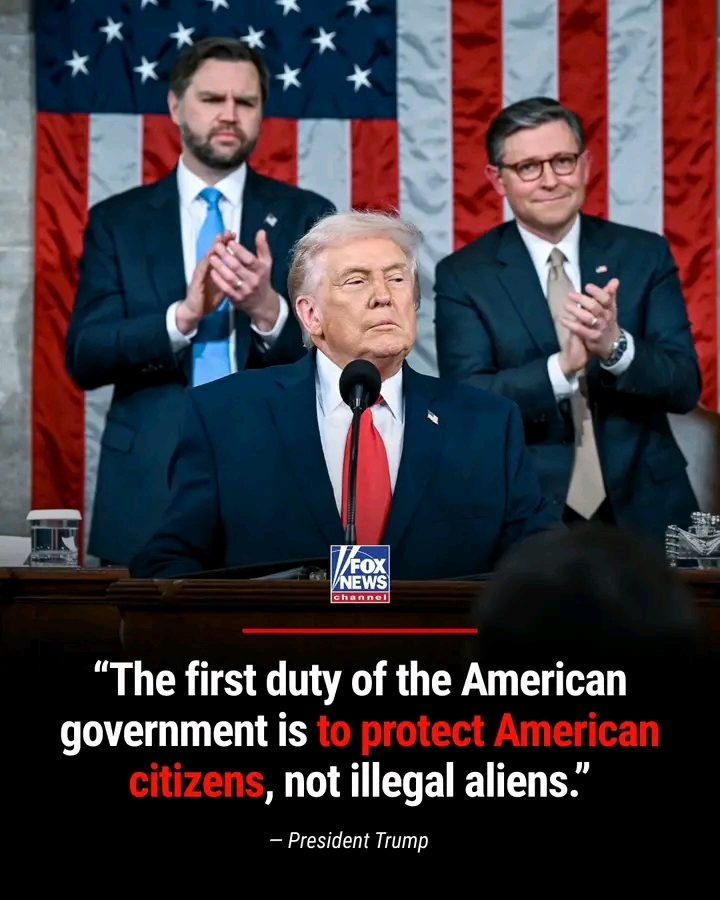
President Donald Trump delivered a pointed message during his recent State of the Union address, declaring that the first duty of the U.S. government is to keep American citizens safe. The statement, framed under the headline “LINES DRAWN,” has sparked widespread discussion across media outlets, social platforms, and political circles, highlighting deep divisions on immigration, national security, and governmental priorities.
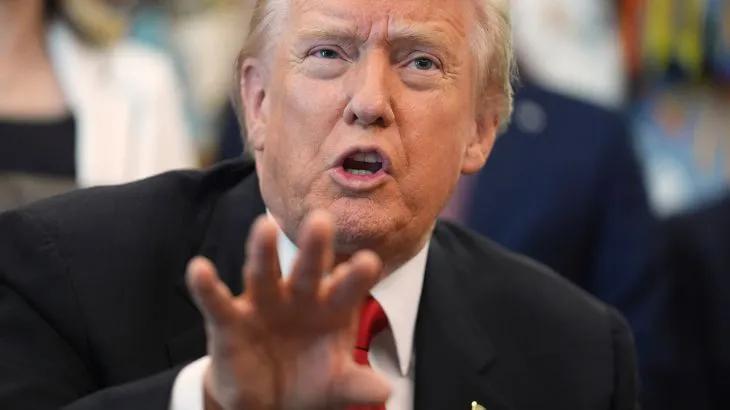
A Defining Moment in the Address
In the speech, delivered to a joint session of Congress, President Trump emphasized this principle as a foundational responsibility of federal leadership. He reportedly urged lawmakers to stand if they agreed with the idea that government’s primary role is to protect American citizens—not illegal aliens. Republicans rose in applause, while many Democrats remained seated, creating a stark visual contrast that Fox News and other outlets quickly captioned as “LINES DRAWN.” This moment underscored ongoing partisan battles, particularly around border security and immigration enforcement.
Trump’s assertion ties directly into his administration’s aggressive stance on these issues. He has repeatedly framed border control, law enforcement, and protection from external threats as non-negotiable obligations. Supporters view the statement as common-sense patriotism: a government that fails to prioritize its own people’s safety undermines its legitimacy. As one commentary noted, it’s akin to the “oxygen mask” rule on airplanes—secure your own before assisting others.
Context: Immigration and Border Security Focus
The declaration comes amid heightened tensions over immigration policy. Trump’s second term has seen swift actions, including executive orders reinforcing border measures, declarations of national emergencies at the southern border, and efforts to deport criminal illegal immigrants. He has touted achievements like what he calls “the strongest and most secure border in American history,” while pushing for full funding restoration for border operations amid partial government shutdown debates affecting agencies like DHS.
Critics, including some Democrats and commentators, argue that the phrasing pits citizens against non-citizens in a divisive way. They point out that the presidential oath requires officials to “preserve, protect, and defend the Constitution,” which includes broader duties like upholding due process, international obligations, and humanitarian considerations. Others contend that true safety encompasses more than just border walls—addressing crime, economic stability, and domestic threats.
Yet the core idea resonates with many Americans. Polls and public reactions suggest growing concern over immigration-related crime and border issues, giving Republicans ammunition for upcoming midterms. The White House has reinforced the message, stating that Democrats’ refusal to stand showed “whose side they’re on—and it’s not the American people.”
Broader Implications
Trump’s words serve as both a policy pledge and a rallying cry. By centering citizen safety, the administration positions its agenda—stronger borders, tougher enforcement against criminal aliens, and “America First” priorities—as fulfilling government’s most basic contract with the people. Proponents argue this approach fosters prosperity: a secure nation enables economic growth, freedom, and opportunity without external disruptions.
Whether this stance marks a lasting shift in national priorities or fuels further polarization remains to be seen. As debates rage online and in Congress, one thing is clear: President Trump’s declaration has drawn clear lines, forcing a reckoning on what—and whom—government should protect first.
In an era of complex global challenges, the simple assertion that safety begins at home continues to strike a chord for millions.
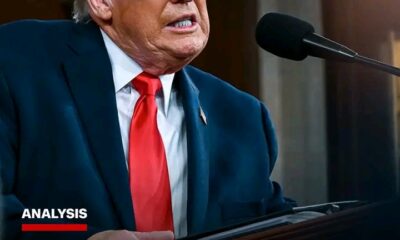

DIVIDED STATES: Sen. John Fetterman said he was likely the only Democrat to shake hands with President Trump at the State of the Union, describing his side of the aisle’s conduct as “disappointing,” adding he found it sad so many of his colleagues didn’t show up…

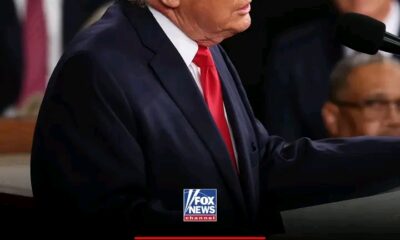
LET FREEDOM RING: White House Press Secretary Karoline Leavitt shares what Americans can expect during President Trump’s State of the Union address tonight:

President Donald Trump won the 2024 presidential race after his initial opponent, then-President Joe Biden, withdrew over worries about his age and mental sharpness,” writes Aaron Blake…

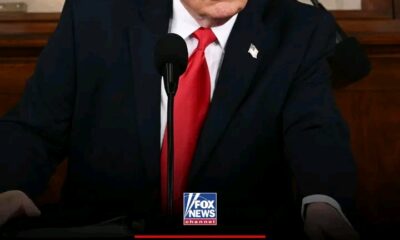
PRESIDENT TRUMP reiterated his peace through strength foreign policy strategy during his State of the Union address…

‘AMERICA FIRST’: President Trump predicts jobs and investment will flood the country because “we finally have a president who puts America first.”

LINES DRAWN: President Trump says the first duty of the U.S. government is to keep American citizens safe…

The Supreme Court just blocked Trump’s big tariffs plan under emergency powers, ruling 6-3 against him. Raise your hand if you want Trump impeached immediately ✋

“Donald Trump is unfit to be president. He’s corrupt, a serial liar, and he’s covering up the Epstein files,” Rep. Ted Lieu Do you agree with Ted Lieu?

BREAKING: Barack Obama is reportedly preparing to run in the 2028 U.S. presidential election. Raise your hand if you want Obama in 2028 ✋

Senator Mark Kelly: I think Trump was a horrible and failed president in his first term. Then he got re-elected, as a convicted felon, by the way. And I think he has exceeded all expectations about how bad he can be in a second term. 💯 Do you agree with Mark Kelly

Senator Patty Murray’s statement that “Trump is a disgrace” and the “most corrupt president in American history by a long shot” highlights the deep political divide and ongoing criticism of Donald Trump’s presidency…
