
CELEBRITY
JUST IN : French President Macron says the Trump administration is “openly anti-European” and wants to destroy the EU…

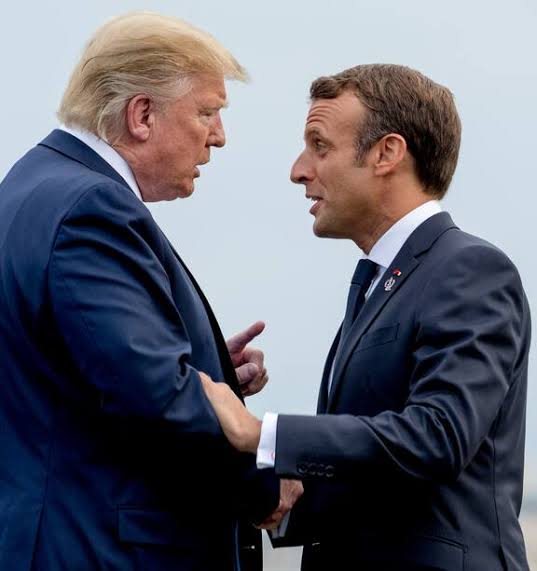
French President Emmanuel Macron has sharply criticized the Trump administration, describing it as “openly anti-European” and accusing it of seeking the “dismemberment” of the European Union.
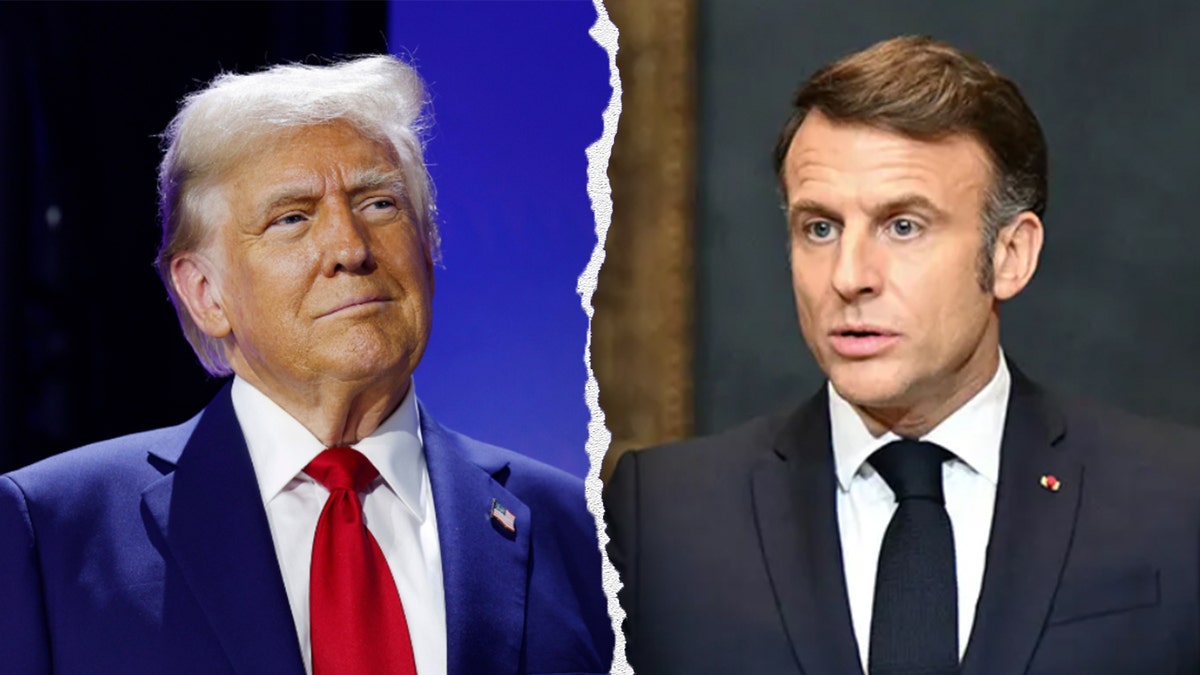
The remarks, made in interviews with several European newspapers including Le Monde and the Financial Times, come amid escalating transatlantic tensions over trade, technology regulation, and geopolitical issues.
Macron’s comments, published on February 10, 2026, highlight a deepening rift between the United States and its traditional European allies since Donald Trump’s return to the White House. He warned that the current lull in overt U.S. threats should not be mistaken for a permanent de-escalation, emphasizing that “every day” brings new pressures on Europe in areas like pharmaceuticals and digital policy.
Context of the “Greenland Moment”
Macron framed his remarks around what he called the “Greenland moment”—a reference to recent U.S. pressure on Denmark over Greenland, including threats of tariffs on European goods if opposition persisted. Although Washington appeared to back down after backlash, Macron argued this episode serves as a wake-up call for the EU.
He stated that Europe must not “bow down” or seek compromise in the face of “blatant aggression,” as such a strategy has failed for months and only increases dependence on external powers. Instead, he urged the bloc to capitalize on this realization to accelerate long-delayed reforms, strengthen its global standing, and reduce reliance on both the United States and China.
The French leader specifically predicted further clashes, particularly over the EU’s Digital Services Act, which regulates major U.S. tech companies. He anticipated U.S. retaliation through import tariffs if the EU enforces these rules aggressively.
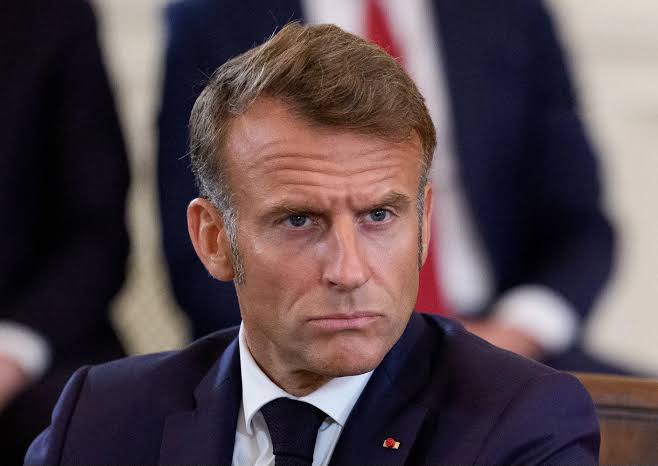
Call for European Strategic Autonomy
Macron reiterated his long-standing push for greater European sovereignty, advocating for joint EU borrowing (such as through eurobonds) to fund strategic investments and challenge the “hegemony of the dollar.” He warned that without decisive action, Europe risks being “swept aside” in a world dominated by the U.S. and China.
“If Europe remains dependent, it could be swept aside within three years by the United States and China,” he said in related remarks.
The statements reflect Macron’s broader vision of Europe as an independent “power” capable of defending its interests, rather than a subordinate partner in transatlantic relations. He described the prevailing U.S. ideology under Trump as a “historical novelty” that is “blatantly and openly anti-European,” showing contempt for the EU and actively wishing for its dismantling.
Broader Implications and Reactions
These comments have amplified discussions on social media and in European political circles about the future of NATO, trade relations, and the EU’s unity. Some observers view Macron’s rhetoric as a necessary defense of European interests, while critics argue it risks further alienating Washington at a time when cooperation is needed on issues like Ukraine and global security.
Macron’s push comes ahead of an informal EU summit focused on competitiveness, where he plans to press leaders for bold economic changes, including slashing red tape, pursuing new trade deals, and prioritizing “European preference” in procurement.
As transatlantic ties remain strained, Macron’s blunt assessment underscores a pivotal moment for the EU: adapt and assert itself, or face growing marginalization in a multipolar world. Whether this galvanizes European leaders or deepens internal divisions remains to be seen.





INCREDIBLE : Crowds gathered in cities around the world thanking President Trump for taking action against the Islamist regime controlling Iran…

MIDEAST DIPLOMACY: White House press secretary Karoline Leavitt says President Trump has been in touch with several Middle Eastern leaders following the joint U.S.–Israel strikes on Iran…

BREAKING : President Donald Trump vowed to “avenge” the deaths of three U.S. service members killed in action as the conflict involving Iran deepens across the Middle East…

Russian President Vladimir Putin made a strong statement while referring to former U.S. President Donald Trump, saying that the “so-called peacemaker” is now showing his “true colours…

BREAKING: The temporarily acting supreme leader of Iran, Ayatollah Arafeh, was killed after new strikes on Tehran, according to Israeli media. He was appointed this morning to replace Khamenei, who was also killed yesterday in strikes by the US and Israel…

During President Trump’s tenure, U.S. energy policy has largely treated oil as a pillar of economic security and geopolitical influence…

News update : The viral image circulating online depicts a striking and enigmatic scene: a humanoid figure standing beside what appears to be a large, landed craft positioned near a prominent government building…

Breaking : Dear Republicans, Listen to me VERY closely… Bring Barack Obama in for questioning. Subpoena him NOW! Why did he secretly send Iran $1.7 BILLION IN CASH, pallets of unmarked bills flown in the dead of night—straight to the Ayatollah regime That money went right into the hands of the world’s leading state sponsor of terrorism…

PRESIDENT TRUMP: “I have just been informed that we have destroyed and sunk 9 Iranian Naval Ships, some of them relatively large and important.” “In a different attack, we largely destroyed their Naval Headquarters. Other than that, their Navy is doing very well!”

STREET CELEBRATION: Crowds across Europe, the U.S., and Australia were seen cheering and waving flags after news broke that the U.S. and Israel had launched strikes on Iran and that Supreme Leader Ayatollah Ali Khamenei had been killed.

BREAKING: Iran’s supreme leader Ali Khamenei is dead after U.S. and IDF strike…
