
NEWS
JUST IN: 🇸🇪 Sweden PM Ulf Kristersson says: “We will not let ourselves be blackmailed. Only Denmark and Greenland decide on issues concerning Denmark and Greenland. I will always stand up for my country, and for our allied neighbors…

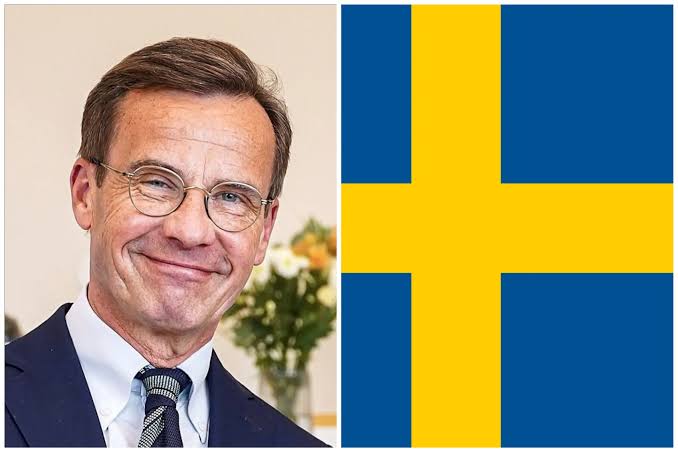
Swedish Prime Minister Ulf Kristersson Firmly Rejects U.S. ‘Blackmail’ Over Greenland in Escalating Transatlantic Dispute
In a strongly worded statement issued on January 17, 2026, Swedish Prime Minister Ulf Kristersson declared that Sweden “will not let ourselves be blackmailed” amid rising tensions sparked by U.S. President Donald Trump’s threats to impose tariffs on several European NATO allies unless a deal is reached for the United States to acquire Greenland.
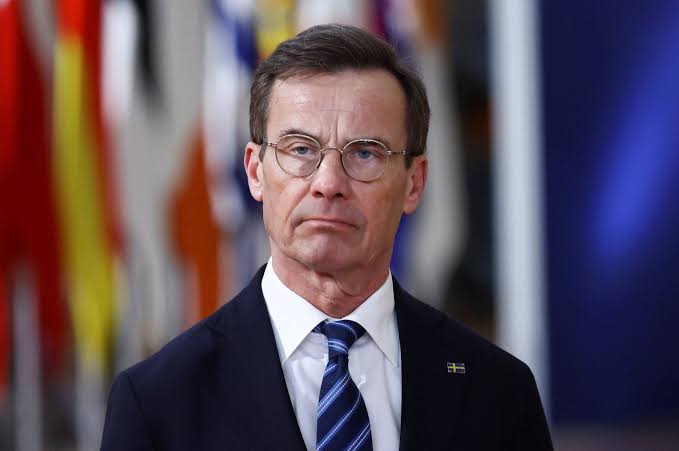
Kristersson’s remarks, posted on social media platform X (formerly Twitter), came in direct response to Trump’s announcement that 10% tariffs would be levied on goods from Denmark, Norway, Sweden, France, Germany, the United Kingdom, the Netherlands, and Finland starting February 1, escalating to 25% in June if no agreement is reached on U.S. ownership of the Arctic territory.
“We will not let ourselves be blackmailed. Only Denmark and Greenland decide on issues concerning Denmark and Greenland. I will always stand up for my country, and for our allied neighbors. This is an EU issue that affects many more countries than those now being singled out. Sweden is now having intensive discussions with other EU countries, Norway, and the United Kingdom for a coordinated response.”
The statement underscores Sweden’s unwavering support for Denmark, its Nordic neighbor, and highlights the broader implications for European unity and transatlantic relations.
Background: Trump’s Renewed Push for Greenland
President Trump has long expressed interest in acquiring Greenland, citing its strategic Arctic location, vast mineral resources (including rare earth elements critical for technology and defense), and national security concerns related to potential Russian or Chinese influence in the region. He has argued that U.S. control is essential for systems like the proposed “Golden Dome” missile defense and to prevent adversaries from gaining a foothold.
However, both Denmark and Greenland’s autonomous government have repeatedly rejected any sale, emphasizing that the island’s future is a matter of self-determination for its people. Greenland, a vast, ice-covered territory with a population of around 56,000, has enjoyed increasing autonomy within the Kingdom of Denmark since 1979.
Recent weeks have seen heightened military signaling: At Denmark’s invitation, several NATO allies—including Sweden, Germany, France, Norway, and others—have deployed small contingents of troops and reconnaissance teams to Greenland as part of exercises like Operation Arctic Endurance. These moves are framed as bolstering collective Arctic security within NATO, rather than opposition to the U.S.
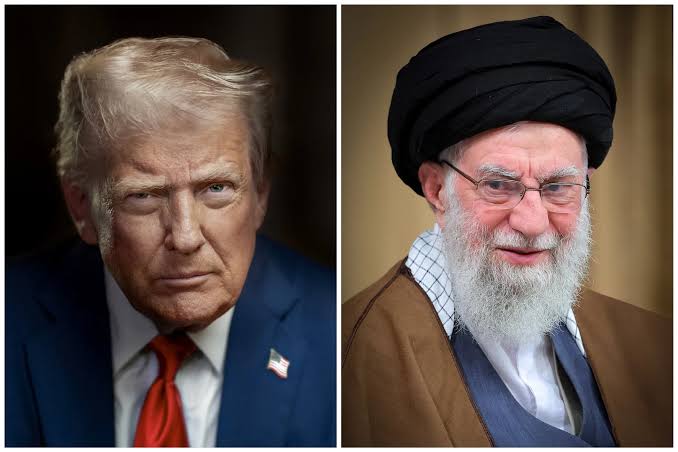
Trump’s tariff threat, announced via Truth Social, framed the measures as leverage to address what he described as decades of the U.S. “subsidizing” European allies through favorable trade terms, while linking it explicitly to Greenland.
European Backlash and Calls for Unity
Kristersson’s response aligns with similar condemnations from other leaders. French President Emmanuel Macron called the tariff threats “unacceptable” and an act of “intimidation,” while Danish officials expressed shock and reaffirmed sovereignty over the territory.
The Swedish prime minister framed the issue as one that transcends bilateral U.S.-Denmark relations, positioning it as a challenge to the entire European Union and its partners. Ongoing “intensive discussions” aim to forge a unified European response, potentially involving coordinated diplomatic, economic, or trade countermeasures.
This episode highlights deepening strains within the NATO alliance at a time when the bloc faces other global challenges. Critics argue that economic coercion against fellow members undermines the principles of mutual defense and cooperation.
As talks continue and tariffs loom, the Greenland dispute has evolved into a test of transatlantic solidarity, sovereignty, and the rules-based international order. Prime Minister Kristersson’s resolute stance signals that Sweden—and much of Europe—will not yield to pressure on matters of national and allied sovereignty.

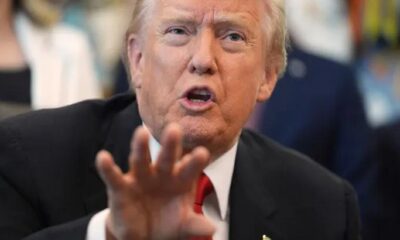

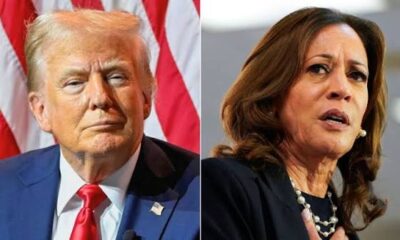

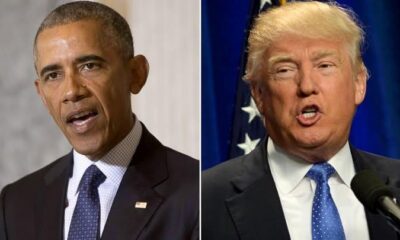

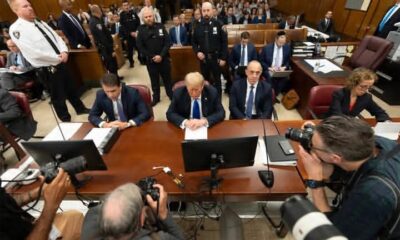

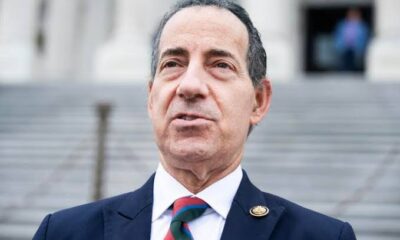


DIVIDED STATES: Sen. John Fetterman said he was likely the only Democrat to shake hands with President Trump at the State of the Union, describing his side of the aisle’s conduct as “disappointing,” adding he found it sad so many of his colleagues didn’t show up…

LET FREEDOM RING: White House Press Secretary Karoline Leavitt shares what Americans can expect during President Trump’s State of the Union address tonight:

President Donald Trump won the 2024 presidential race after his initial opponent, then-President Joe Biden, withdrew over worries about his age and mental sharpness,” writes Aaron Blake…

PRESIDENT TRUMP reiterated his peace through strength foreign policy strategy during his State of the Union address…

‘AMERICA FIRST’: President Trump predicts jobs and investment will flood the country because “we finally have a president who puts America first.”

LINES DRAWN: President Trump says the first duty of the U.S. government is to keep American citizens safe…

The Supreme Court just blocked Trump’s big tariffs plan under emergency powers, ruling 6-3 against him. Raise your hand if you want Trump impeached immediately ✋

“Donald Trump is unfit to be president. He’s corrupt, a serial liar, and he’s covering up the Epstein files,” Rep. Ted Lieu Do you agree with Ted Lieu?

BREAKING: Barack Obama is reportedly preparing to run in the 2028 U.S. presidential election. Raise your hand if you want Obama in 2028 ✋

Senator Mark Kelly: I think Trump was a horrible and failed president in his first term. Then he got re-elected, as a convicted felon, by the way. And I think he has exceeded all expectations about how bad he can be in a second term. 💯 Do you agree with Mark Kelly

Senator Patty Murray’s statement that “Trump is a disgrace” and the “most corrupt president in American history by a long shot” highlights the deep political divide and ongoing criticism of Donald Trump’s presidency…
