
CELEBRITY
Epstein’s former accuser alleges the existence of recordings that she says could force Donald Trump to step down from office, a claim that has sparked renewed scrutiny and debate around Epstein’s network and its connections…

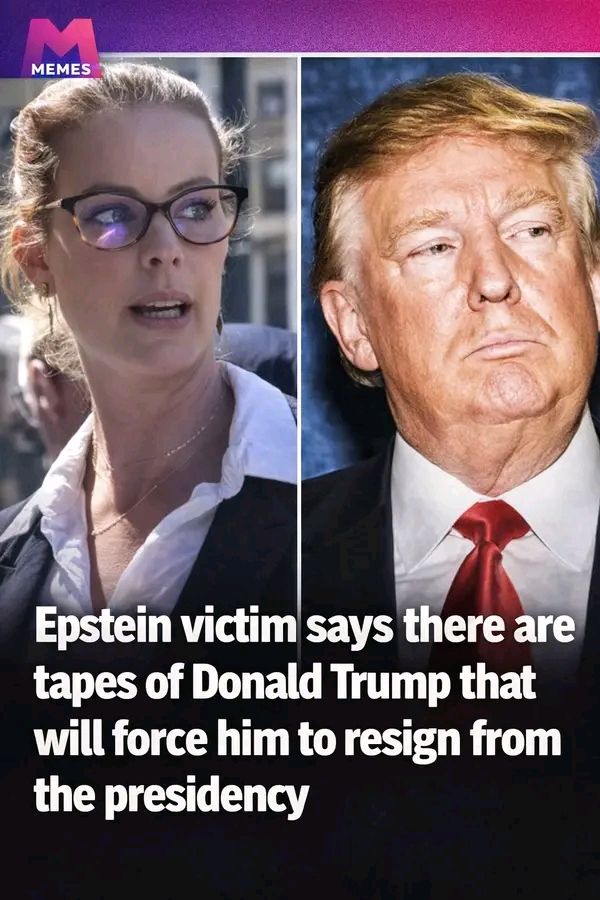
The claim referenced in the headline—that a former accuser of Jeffrey Epstein alleges the existence of recordings capable of forcing Donald Trump to step down from office—has circulated widely on social media and online forums in recent weeks.
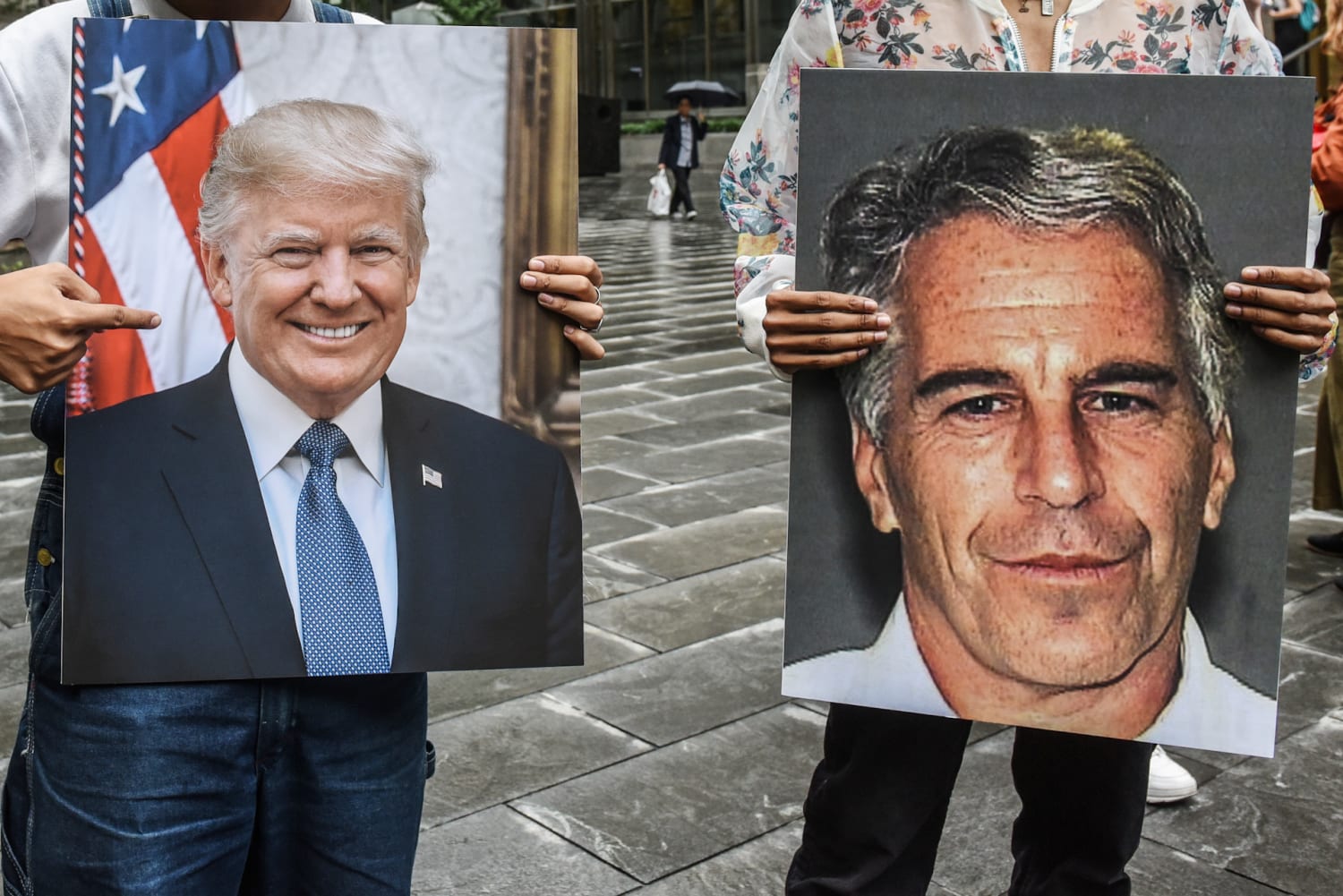
However, based on available reporting and public records, this appears to be a resurfaced or recirculated allegation without new substantiation, rather than a fresh development from a specific accuser in 2026.
Background on Similar Past Claims
Allegations of compromising recordings tied to Epstein have surfaced periodically, often linked to his known use of hidden cameras in properties like his New York mansion and private island. One prominent example involves Sarah Ransome, an Epstein accuser who, in emails from around 2016 (unsealed in court documents in January 2024), claimed Epstein possessed sex tapes involving high-profile figures including Donald Trump, Bill Clinton, Prince Andrew, and Richard Branson. Ransome alleged these could serve as blackmail material.
Ransome specifically claimed Trump had sexual relations with a friend of hers at Epstein’s New York home on multiple occasions, and implied recordings existed. However, she later retracted key parts of these statements, explaining in interviews and court-related contexts that she fabricated or exaggerated elements (including the tapes) out of distress or to draw attention to Epstein’s crimes. No such recordings involving Trump have ever been publicly released, verified by law enforcement, or confirmed in any official Epstein-related investigations.
Trump’s representatives have consistently dismissed such claims as baseless, noting his long-standing denial of any involvement in Epstein’s criminal activities. Trump has stated he banned Epstein from Mar-a-Lago around 2007 after incidents involving inappropriate behavior toward female staff, and that he distanced himself years before Epstein’s 2008 conviction.
Recent Context and Epstein File Releases
In late 2025 and early 2026, massive tranches of Epstein-related documents—totaling millions of pages—were released by the Department of Justice under the Epstein Files Transparency Act, signed by President Trump in November 2025. These included emails, tips, interviews, and other materials mentioning Trump over 1,000 times in some batches.
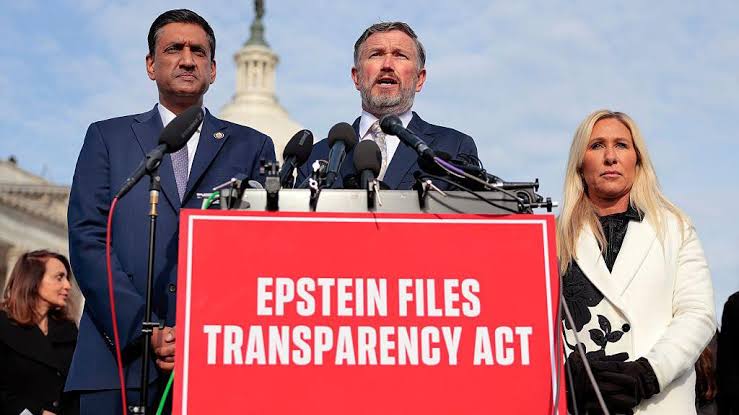
Key points from these releases:
Some documents reference unverified, “sensationalist” allegations against Trump, including unsubstantiated claims of sexual misconduct tied to Epstein.
The DOJ explicitly stated that many such claims (some submitted to the FBI around the 2020 election) were unfounded or false, and no credible evidence warranted investigation into Trump.
Emails from Epstein himself (e.g., to Ghislaine Maxwell or author Michael Wolff) asserted that Trump “knew about the girls” or spent time with alleged victims, but these were Epstein’s words, not corroborated evidence.
No confirmed recordings or blackmail tapes involving Trump have emerged from these releases.
Survivors and some lawmakers have criticized the administration for perceived delays or incompleteness in releases, though the DOJ maintains compliance with the law.
Trump has called ongoing Epstein scrutiny a “Democrat hoax” and described the files as largely “irrelevant.” He has faced questions about his past social ties to Epstein but maintains he had no knowledge of the crimes at the time.
Current Status of the Allegation
The specific claim of recordings that “could force Donald Trump to step down” has appeared in viral social media posts (e.g., on Instagram, Facebook, and X), often without sources or with recycled older quotes. No major news outlet has reported a new accuser making this exact allegation in recent months, nor has any law enforcement body or court confirmed fresh evidence of such tapes. The timing aligns with ongoing political debates over the Epstein files, renewed scrutiny of high-profile connections, and partisan tensions.
Without verifiable proof—such as released footage, official confirmation, or a credible new statement from an accuser—the allegation remains unproven and widely viewed as speculative. It has, however, fueled renewed online debate about Epstein’s network, potential blackmail operations, and associations with powerful figures across political lines.
If new evidence surfaces or an accuser provides specifics, it could shift the conversation significantly. For now, the claim highlights the persistent shadow Epstein’s case casts over public discourse, even years after his death in 2019.




I’m fighting alongside President Trump to put Arkansas and America first – proud to have his full endorsement for re-election…

Epstein’s former accuser alleges the existence of recordings that she says could force Donald Trump to step down from office, a claim that has sparked renewed scrutiny and debate around Epstein’s network and its connections…

Telling the military to disobey illegal orders is not treason. Telling Ukraine to obey Russian-dictated orders is…

BREAKING: James Talarico UNLOADS on Trump and shows why Trump tried to censor him in powerful interview with Stephen Colbert…

News update : If Trump Wants People to Smile More, He Should Resign..

Breaking : Oscar-winning actor Robert Duvall, whose career has spanned seven decades, has died at 95, his wife announced. Here’s what we know…

BREAKING: Senator Mark Kelly announces that he’s “seriously” considering a presidential run after a string of high-profile victories against Trump’s corrupt Defense Secretary Pete Hegseth. His credentials speak for themselves…

BREAKING: Epstein victim just released tapes of Donald Trump that will force him to resign from the presidency…

Elon Musk is the first person ever to reach a $800,000,000,000 net worth. But Musk recently doubled down on the idea that “money can’t buy happiness.” When you own the stars, the platforms, and the future of transport, what is left to chase?

Trump: “Say Whatever You Want — I Can’t Be Impeached, I’ll Run Again, and I’ll Win”

Obama knew what Trump was, he warned everyone, and y’all accused him of overreacting. Raise your hand if you agree Barack Obama is 1000X better than Trump ✋
