
CELEBRITY
BREAKING: Trump says ICE is going to the Olympics. Italy says ICE cannot enter the country. What do you think about this?

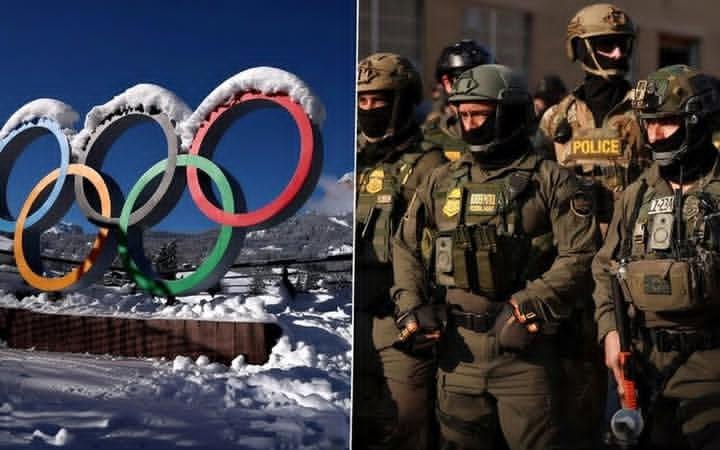
captures a highly charged international controversy surrounding the 2026 Winter Olympics in Milano-Cortina, Italy (set to begin February 6, 2026). This situation stems from the U.S. decision to deploy personnel from Immigration and Customs Enforcement (ICE) as part of security support for the American delegation, amid heightened global scrutiny of the Trump administration’s immigration policies.
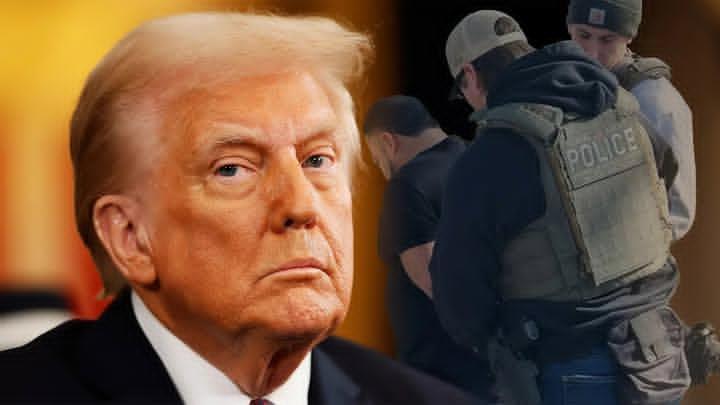
The U.S. Position and Trump’s Involvement
The U.S. Department of Homeland Security (DHS) confirmed that a unit from ICE’s Homeland Security Investigations (HSI) division would accompany the American Olympic delegation. This includes supporting the State Department’s Diplomatic Security Service to “vet and mitigate risks from transnational criminal organizations.” Officials emphasized that these agents would not engage in immigration enforcement on Italian soil, as ICE lacks authority for such actions abroad. Their role is described as advisory, intelligence-based, and limited to protecting U.S. personnel, such as Vice President JD Vance and Secretary of State Marco Rubio, who are expected to attend.
President Trump has expanded ICE’s role and budget since returning to office, tying into his broader immigration crackdown. While the headline attributes the statement directly to Trump saying “ICE is going to the Olympics,” reports frame it as an administration decision, with DHS statements confirming the deployment. The move aligns with standard practices where U.S. agencies provide security for delegations at international events, but the timing—following controversies like a fatal shooting involving ICE in Minneapolis—has amplified backlash.
Italy’s Response and Restrictions
Italian officials have pushed back strongly, rejecting any notion that ICE would participate in broader Olympic security (which remains under exclusive Italian control, handled by local police, Carabinieri, and Guardia di Finanza). Foreign Minister Antonio Tajani and Interior Minister Matteo Piantedosi clarified that ICE agents would not patrol streets or engage in enforcement. Instead, they would operate strictly from U.S. diplomatic facilities, such as a dedicated operations room at the U.S. Consulate in Milan.
Milan Mayor Giuseppe Sala was particularly vocal, calling ICE “a militia that kills” and stating the agents are “not welcome” in the city, citing concerns over their methods and recent U.S. incidents. Protests erupted in Milan, with hundreds (and online petitions gathering tens of thousands of signatures) demanding ICE’s exclusion. Some opposition lawmakers urged denying entry to what they called “Trump’s thugs.” The Italian government, despite friendly ties with Trump under Prime Minister Giorgia Meloni, assured the public that no on-the-ground enforcement by ICE would occur, effectively limiting their presence to advisory roles within U.S. premises.
The headline’s claim that “Italy says ICE cannot enter the country” reflects this public outrage and political statements, but in practice, a restricted, low-profile presence has been negotiated rather than a full ban.
Broader Implications and Public Reaction
This episode highlights tensions between the U.S. under Trump and European allies, where perceptions of aggressive U.S. immigration tactics clash with host-country sovereignty and public sentiment. Protests in Italy echo global unease over the Trump administration’s policies, turning what might have been a routine security detail into a diplomatic flashpoint.
On social media, reactions range from sarcasm (jokes about preventing U.S. defections) to outrage, with some viewing it as symbolic of overreach. The controversy underscores how domestic U.S. issues can spill into international events like the Olympics, potentially overshadowing the games themselves.
In summary, while ICE personnel are proceeding in a heavily curtailed capacity, the episode reveals deep divisions over immigration enforcement, sovereignty, and the optics of U.S. involvement abroad. As the Olympics approach, both sides appear to have de-escalated to avoid major disruption, but the headline-style framing reflects real anger on the ground in Italy.







DIVIDED STATES: Sen. John Fetterman said he was likely the only Democrat to shake hands with President Trump at the State of the Union, describing his side of the aisle’s conduct as “disappointing,” adding he found it sad so many of his colleagues didn’t show up…

LET FREEDOM RING: White House Press Secretary Karoline Leavitt shares what Americans can expect during President Trump’s State of the Union address tonight:

President Donald Trump won the 2024 presidential race after his initial opponent, then-President Joe Biden, withdrew over worries about his age and mental sharpness,” writes Aaron Blake…

PRESIDENT TRUMP reiterated his peace through strength foreign policy strategy during his State of the Union address…

‘AMERICA FIRST’: President Trump predicts jobs and investment will flood the country because “we finally have a president who puts America first.”

LINES DRAWN: President Trump says the first duty of the U.S. government is to keep American citizens safe…

The Supreme Court just blocked Trump’s big tariffs plan under emergency powers, ruling 6-3 against him. Raise your hand if you want Trump impeached immediately ✋

“Donald Trump is unfit to be president. He’s corrupt, a serial liar, and he’s covering up the Epstein files,” Rep. Ted Lieu Do you agree with Ted Lieu?

BREAKING: Barack Obama is reportedly preparing to run in the 2028 U.S. presidential election. Raise your hand if you want Obama in 2028 ✋

Senator Mark Kelly: I think Trump was a horrible and failed president in his first term. Then he got re-elected, as a convicted felon, by the way. And I think he has exceeded all expectations about how bad he can be in a second term. 💯 Do you agree with Mark Kelly

Senator Patty Murray’s statement that “Trump is a disgrace” and the “most corrupt president in American history by a long shot” highlights the deep political divide and ongoing criticism of Donald Trump’s presidency…
