
CELEBRITY
“BREAKING: Democrats believe the Epstein File was doctored by the DOJ and Trump and want a forensic analysis Raise your hand if you believe Trump doctored it ✋

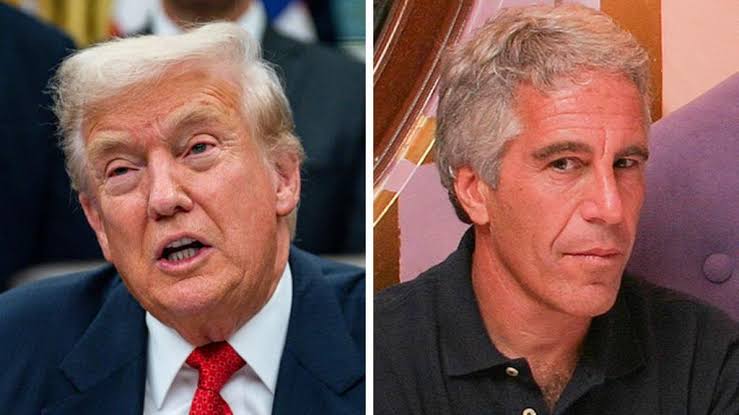
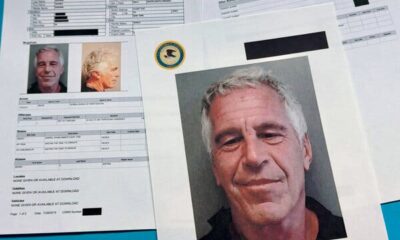
Captures a snapshot of ongoing partisan tensions surrounding the release of Jeffrey Epstein-related documents. This claim reflects broader accusations from some Democratic figures and commentators that the Trump administration’s Department of Justice (DOJ) has mishandled, delayed, or potentially altered aspects of the Epstein files to protect certain interests—particularly those of President Donald Trump.
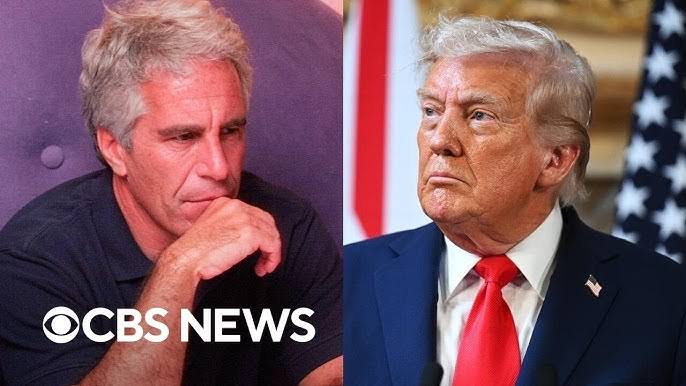
Background on the Epstein Files Release
In late 2025, Congress passed the Epstein Files Transparency Act with bipartisan support, which President Trump signed into law. The legislation mandated the DOJ to review and release millions of pages of documents, images, videos, and other materials from federal investigations into Epstein, the convicted sex offender who died in 2019.
The DOJ, under Attorney General Pam Bondi and Deputy Attorney General Todd Blanche, began releasing tranches in December 2025 and continued into early 2026. Key releases included:
Initial batches in December 2025 that fell short of expectations, prompting criticism for delays beyond the statutory deadline and heavy redactions.
A major dump in late January 2026 of over 3 million pages, plus thousands of videos and images, which the DOJ described as fulfilling its obligations.
The files contained references to numerous high-profile figures, including Trump (often in news clippings or unverified tips), Bill Clinton, Elon Musk, Bill Gates, and others. No major new criminal allegations against Trump emerged from credible sources in the releases, though some documents included sensational, unverified claims submitted to the FBI (e.g., before the 2020 election).
The DOJ repeatedly emphasized that certain materials included “fake or falsely submitted” items, such as a forged letter from Epstein to Larry Nassar alleging Trump’s involvement with minors, and a fabricated video purporting to show Epstein’s death. Officials stated these were included for transparency but flagged as unreliable.
Democratic Criticisms and Calls for Further Scrutiny
Democrats, including figures like Sen. Chuck Schumer, Rep. Robert Garcia (top Democrat on the House Oversight Committee), and others, have accused the Trump DOJ of:
Releasing only a fraction of the estimated 5–6 million pages initially reviewed.
Delaying compliance with the law’s deadlines.
Potentially redacting or handling materials in ways that shield Trump or Republicans.
Some Democrats have suggested the process lacks full transparency, with calls for more complete releases and oversight. In interviews and statements (e.g., from Rep. Garcia in early 2026), there have been expressions of distrust in the DOJ’s handling, including questions about redactions and the inclusion/exclusion of certain documents. While direct claims of “doctoring” or tampering by Trump personally appear exaggerated in viral posts, broader accusations of a “cover-up” or selective release have fueled demands for independent review or forensic-level examination of the process.
Republicans and the administration have countered that:
The releases were comprehensive and compliant.
Democrats are pushing a “hoax” narrative, selectively leaking or misrepresenting materials (e.g., from Epstein’s estate) to attack Trump.
Unverified or planted false claims against Trump (some allegedly from prior administrations) were released to expose them.
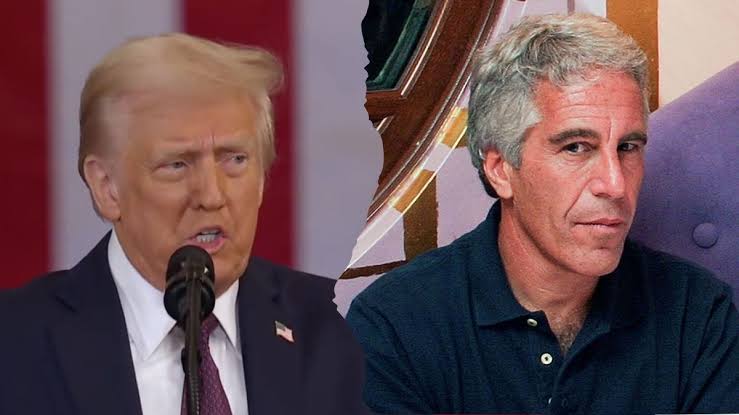
House Oversight Chairman James Comer, for instance, accused Democrats of manufacturing anti-Trump narratives through altered or selectively released documents.
The Viral Claim in Context
The specific phrasing in the post—alleging Democrats believe the files were “doctored by the DOJ and Trump” and calling for forensic analysis—aligns with heightened rhetoric on social media and from some left-leaning commentators amid frustration over redactions, delays, and the presence of debunked anti-Trump items. However, mainstream reporting (from outlets like NPR, The New York Times, The Guardian, and PBS) frames Democratic concerns more around incomplete releases, legal compliance, and potential hiding of information rather than outright forgery by Trump himself.
No major evidence has surfaced of widespread doctoring by the current DOJ or Trump. Instead, the controversy highlights deep distrust: Democrats see potential protectionism, while the administration views the narrative as a recycled political attack. Bipartisan frustration exists over the slow pace and volume of releases, but conspiracy claims (on both sides) often amplify unverified elements in the files.
As more documents are analyzed, the debate continues. The Epstein case remains a flashpoint for transparency demands, victim justice, and partisan finger-pointing—yet the core investigative files have not produced the explosive “client list” revelations some anticipated.











BREAKING: Iran’s supreme leader Ali Khamenei is dead after U.S. and IDF strike…

NEW: A U.S. official tells Fox News the strikes on Iran are expected to last for days — not just a few hours. The official and another source also confirmed to Fox News that there were no casualties from Iran’s strike on a U.S. Navy base in Bahrain. The missile hit an empty warehouse.

MIDEAST DIPLOMACY: White House press secretary Karoline Leavitt announced President Trump has spoken with numerous Middle East leaders following the joint US-Israel attack on Iran.

NEW: DHS Secretary Kristi Noem says she is in direct coordination with federal intelligence agencies on potential threats to the U.S. following joint strikes on Iran…

NEW: An FBI official tells Fox News that counterterrorism and counterintelligence teams are on elevated alert nationwide following coordinated U.S.-Israel airstrikes on Iran…

BREAKING: Israeli Defense Minister Israel Katz says Israel has launched a ‘preemptive’ strike on Iran, as Iranian state media report explosions in eastern and northern Tehran.

The USS Gerald R. Ford, the biggest U.S. aircraft carrier, has left port near the Greek island of Crete on Thursday…

STATE OF ALERT: The State Department is allowing non-essential personnel working at the U.S. Embassy in Jerusalem to leave Israel ahead of possible strikes on Iran.

BREAKING: Missiles have been launched from Iran towards Israel, says the Israeli military…

Live updates: U.S. military begins ‘major combat operations in Iran,’ Trump says…

DIVIDED STATES: Sen. John Fetterman said he was likely the only Democrat to shake hands with President Trump at the State of the Union, describing his side of the aisle’s conduct as “disappointing,” adding he found it sad so many of his colleagues didn’t show up…
