
NEWS
STREET CELEBRATION: Crowds across Europe, the U.S., and Australia were seen cheering and waving flags after news broke that the U.S. and Israel had launched strikes on Iran and that Supreme Leader Ayatollah Ali Khamenei had been killed.

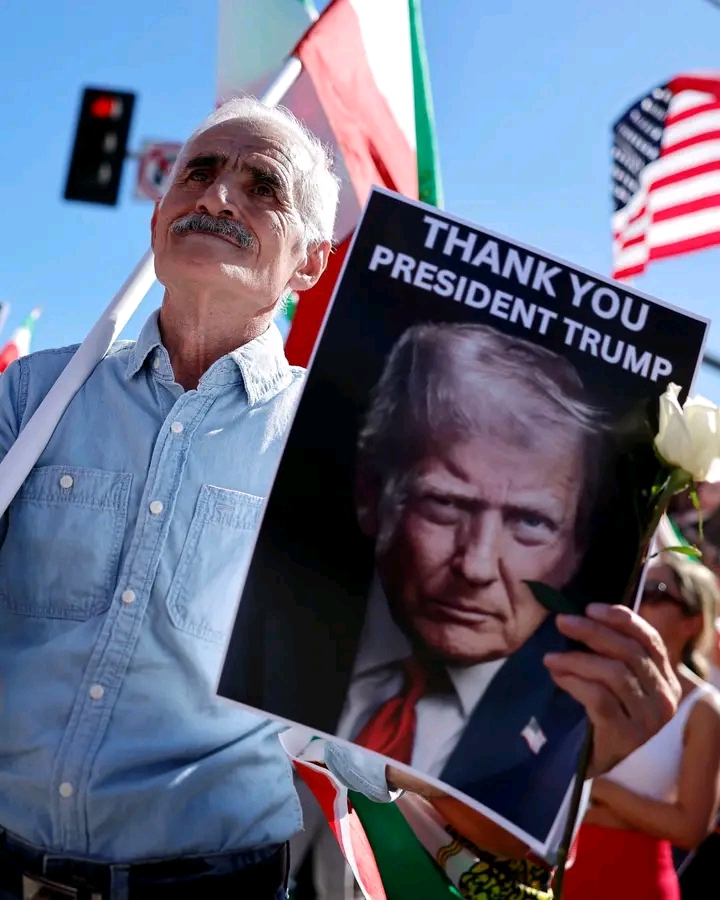
In an extraordinary turn of events that has sent shockwaves across the Middle East and beyond, crowds in cities throughout Europe, the United States, and Australia erupted in spontaneous celebrations late Saturday and into Sunday following confirmation that joint U.S. and Israeli military strikes had killed Iran’s Supreme Leader, Ayatollah Ali Khamenei.
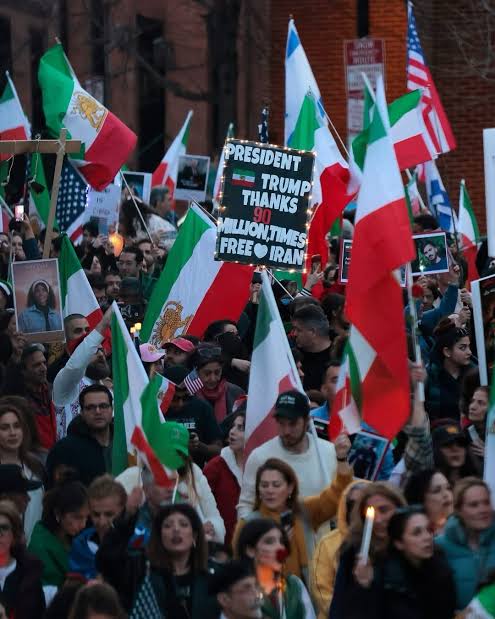
The 86-year-old cleric, who had ruled Iran with an iron grip since 1989, was killed in a targeted airstrike on his compound in Tehran as part of a sweeping operation dubbed “Roar of the Lion” by Israeli officials. The coordinated assault, which began on February 28, 2026, targeted Iranian military sites, nuclear facilities, air defenses, and high-ranking officials, resulting in the deaths of Khamenei and reportedly dozens of senior regime figures.
President Donald Trump announced the development on social media, describing Khamenei as “one of the most evil people in history” and urging Iranians to rise up against the regime. Israeli leaders echoed calls for regime change, framing the strikes as a necessary measure to eliminate an existential threat.
While Iran has declared 40 days of official mourning and launched retaliatory missile and drone barrages against Israel, U.S. bases, and Gulf cities—causing explosions in places like Dubai, Doha, and Manama—the news of Khamenei’s death triggered a starkly different reaction among many outside Iran.
In Los Angeles’ Westwood neighborhood, large crowds of Iranian-Americans gathered near federal buildings, waving flags and chanting for freedom. Demonstrators celebrated what they called the “end of tyranny,” with some thanking President Trump and Israel for the action. Similar scenes unfolded in Tampa, Florida, where Iranian expatriates rallied in joy, and in San Francisco’s Embarcadero Plaza, where cheers filled the air.
Across the Atlantic, spontaneous street gatherings were reported in European capitals with significant Iranian diaspora communities. In London, Paris, and Berlin, exiles and supporters waved pre-revolutionary Iranian flags (the lion and sun emblem) and set off fireworks, honking car horns in jubilation. Social media footage showed crowds dancing and chanting “freedom” slogans, reflecting long-simmering opposition to the Islamic Republic’s rule.
In Australia, particularly in Sydney and Melbourne, Iranian-Australian communities organized vigils that quickly turned celebratory. Protesters gathered outside consulates, holding signs reading “Khamenei is dead—freedom for Iran” and sharing videos of street parties.
These displays contrast sharply with the grief and official mourning in Iran itself. In Tehran, state media showed public mourning, with some residents openly weeping. However, reports from inside the country described hushed streets in the early hours, followed by pockets of private and even public celebration—people dancing on rooftops, honking horns, and sharing fireworks—despite risks of regime crackdown. Videos circulating on social media captured jubilant Iranians chanting “freedom” from balconies, highlighting deep divisions within the nation after decades of repression.
The strikes have escalated into a broader regional conflict. Iran has fired hundreds of missiles and drones in retaliation, prompting Israeli counterstrikes on Hezbollah in Lebanon and shattering a yearlong cease-fire there. Casualties have mounted on multiple fronts, including reports of civilian deaths in Iran and U.S. troops killed in attacks on American assets.
Oil prices surged amid fears of disrupted supplies through the Persian Gulf, and world leaders expressed alarm over the escalation. French President Emmanuel Macron called the conflict “dangerous for all” and urged de-escalation, while others condemned or supported the strikes depending on their stance toward Iran’s government.
As the U.S. and Israel vowed to continue operations until objectives are met—including preventing Iran’s nuclear ambitions and weakening its regional influence—the celebrations in diaspora communities underscore a profound hope among many that Khamenei’s death could mark the beginning of the end for the Islamic Republic’s theocratic rule. Yet, with ongoing strikes, retaliatory fire, and uncertainty over Iran’s leadership succession, the path forward remains fraught with peril.
For now, the streets of cities far from Tehran echo with a mix of triumph and trepidation, as the world watches what could become one of the most transformative—and volatile—moments in modern Middle Eastern history.
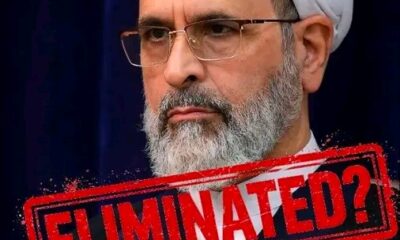


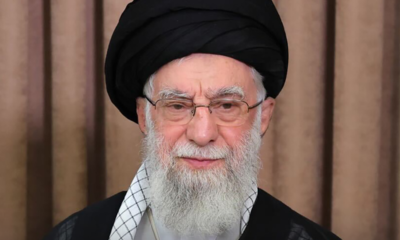

BREAKING: The temporarily acting supreme leader of Iran, Ayatollah Arafeh, was killed after new strikes on Tehran, according to Israeli media. He was appointed this morning to replace Khamenei, who was also killed yesterday in strikes by the US and Israel…

During President Trump’s tenure, U.S. energy policy has largely treated oil as a pillar of economic security and geopolitical influence…

News update : The viral image circulating online depicts a striking and enigmatic scene: a humanoid figure standing beside what appears to be a large, landed craft positioned near a prominent government building…

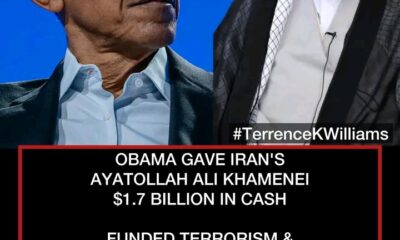
Breaking : Dear Republicans, Listen to me VERY closely… Bring Barack Obama in for questioning. Subpoena him NOW! Why did he secretly send Iran $1.7 BILLION IN CASH, pallets of unmarked bills flown in the dead of night—straight to the Ayatollah regime That money went right into the hands of the world’s leading state sponsor of terrorism…

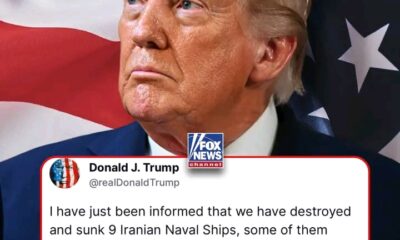
PRESIDENT TRUMP: “I have just been informed that we have destroyed and sunk 9 Iranian Naval Ships, some of them relatively large and important.” “In a different attack, we largely destroyed their Naval Headquarters. Other than that, their Navy is doing very well!”

STREET CELEBRATION: Crowds across Europe, the U.S., and Australia were seen cheering and waving flags after news broke that the U.S. and Israel had launched strikes on Iran and that Supreme Leader Ayatollah Ali Khamenei had been killed.

BREAKING: Iran’s supreme leader Ali Khamenei is dead after U.S. and IDF strike…

NEW: A U.S. official tells Fox News the strikes on Iran are expected to last for days — not just a few hours. The official and another source also confirmed to Fox News that there were no casualties from Iran’s strike on a U.S. Navy base in Bahrain. The missile hit an empty warehouse.

MIDEAST DIPLOMACY: White House press secretary Karoline Leavitt announced President Trump has spoken with numerous Middle East leaders following the joint US-Israel attack on Iran.

NEW: DHS Secretary Kristi Noem says she is in direct coordination with federal intelligence agencies on potential threats to the U.S. following joint strikes on Iran…

NEW: An FBI official tells Fox News that counterterrorism and counterintelligence teams are on elevated alert nationwide following coordinated U.S.-Israel airstrikes on Iran…
