
NEWS
Lt. Gov. Peggy Flanagan has been a vocal critic of the Trump administration’s aggressive federal immigration enforcement operation in Minnesota, known as Operation Metro Surge, which deployed thousands of ICE and Border Patrol agents to the state and sparked widespread protests…

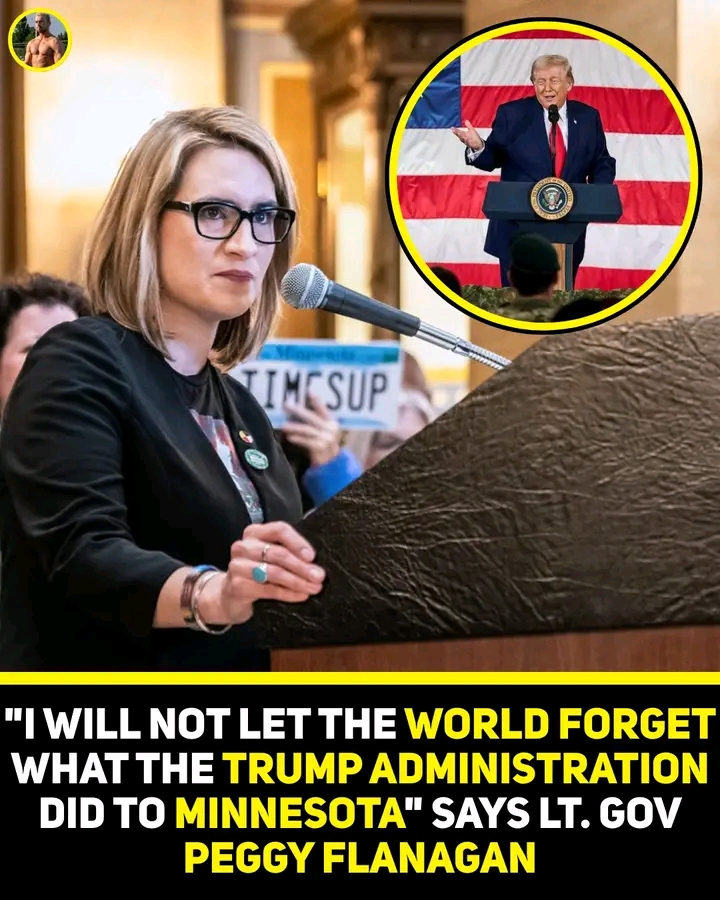
Lt. Gov. Peggy Flanagan has been a vocal critic of the Trump administration’s aggressive federal immigration enforcement operation in Minnesota, known as Operation Metro Surge, which deployed thousands of ICE and Border Patrol agents to the state and sparked widespread protests… This surge led to hundreds of arrests and was followed by the fatal shootings of two U.S. citizens by federal agents, drawing fierce backlash from community leaders, civil rights activists, and state officials alike. Local leaders, including Gov. Tim Walz and Flanagan, accused the operation of causing trauma, fear, and disruption in immigrant and Minnesota communities, and demanded accountability and an end to the crackdown. In public statements and media appearances, Flanagan has framed the federal response as harmful overreach that inflicted lasting damage on Minnesota. She emphasized that the increased enforcement and the deaths of civilians have left deep scars and mobilized faith, labor, and community groups in resistance. In interviews and speeches circulating online, Flanagan has argued that the state’s progressive values and inclusive policies were misunderstood and targeted, and she pledged not to let the “world forget” the impact that the Trump administration’s tactics had on Minnesota families and neighborhoods. These remarks underscore her commitment to advocating for justice, defending civil liberties, and seeking reforms to federal immigration policy. The controversy over federal immigration enforcement in Minnesota has become a broader flashpoint in national debates about border policy, civil rights, and the use of federal power. While the Trump administration has since announced a drawdown of the ICE surge in response to public outcry, state officials continue to call for deeper investigations and long‑term support for affected communities. Flanagan’s remarks reflect both local frustration and wider political tensions as Minnesota grapples with the aftermath of one of the most intense federal operations in recent memory.



Senator Marsha Blackburn is crediting Donald Trump with reshaping America’s position abroad, describing his tenure as the start of a renewed era of global strength…

🚨 U.S. Senator Chris Van Hollen (D-Maryland) announced on February 22 2026, via X and other platforms that he would boycott President Trump’s upcoming State of the Union address.

A new political clash is unfolding over accountability and justice in high-profile cases. Alexandria Ocasio‑Cortez sharply criticized the Attorney General, calling for stronger action in cases involving alleged child exploitation crimes.

SENATOR MURRAY: “President Trump is a disgrace. He’s easily the most corrupt President in American history by a long shot.

Lt. Gov. Peggy Flanagan has been a vocal critic of the Trump administration’s aggressive federal immigration enforcement operation in Minnesota, known as Operation Metro Surge, which deployed thousands of ICE and Border Patrol agents to the state and sparked widespread protests…

Senator Bernie Sanders secures full Democratic support and two Republican votes for his plan to reclaim $75 billion from U.S.

News update : Reports are emerging that investigators in Florida are reviewing materials related to the broader Jeffrey Epstein case, sparking renewed public discussion online…

U.S. Senators have taken the STUNNING step of officially calling for President Trump’s removal from office under the 25th Amendment…

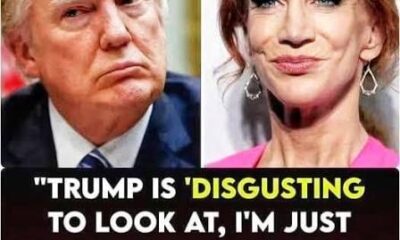
Unbelievable : Comedian Kathy Griffin is back in the headlines after calling Donald Trump “disgusting to look at” and adding that she’s “waiting for him to die…

In a recent statement, Kamala Harris claimed that many people regret not voting for her and that Trump voters are experiencing “buyer’s remorse.

A rapidly circulating petition calling for Melania Trump’s deportation to Slovenia has gained significant attention across multiple platforms. Supporters describe it as a symbolic protest against the Trump family’s political influence, with signatures reportedly surging within hours of its launch…
