
CELEBRITY
U.S. taxpayers could receive record-high refunds under a sweeping tax plan backed by Donald Trump, sparking renewed debate over who stands to gain most from the legislation…

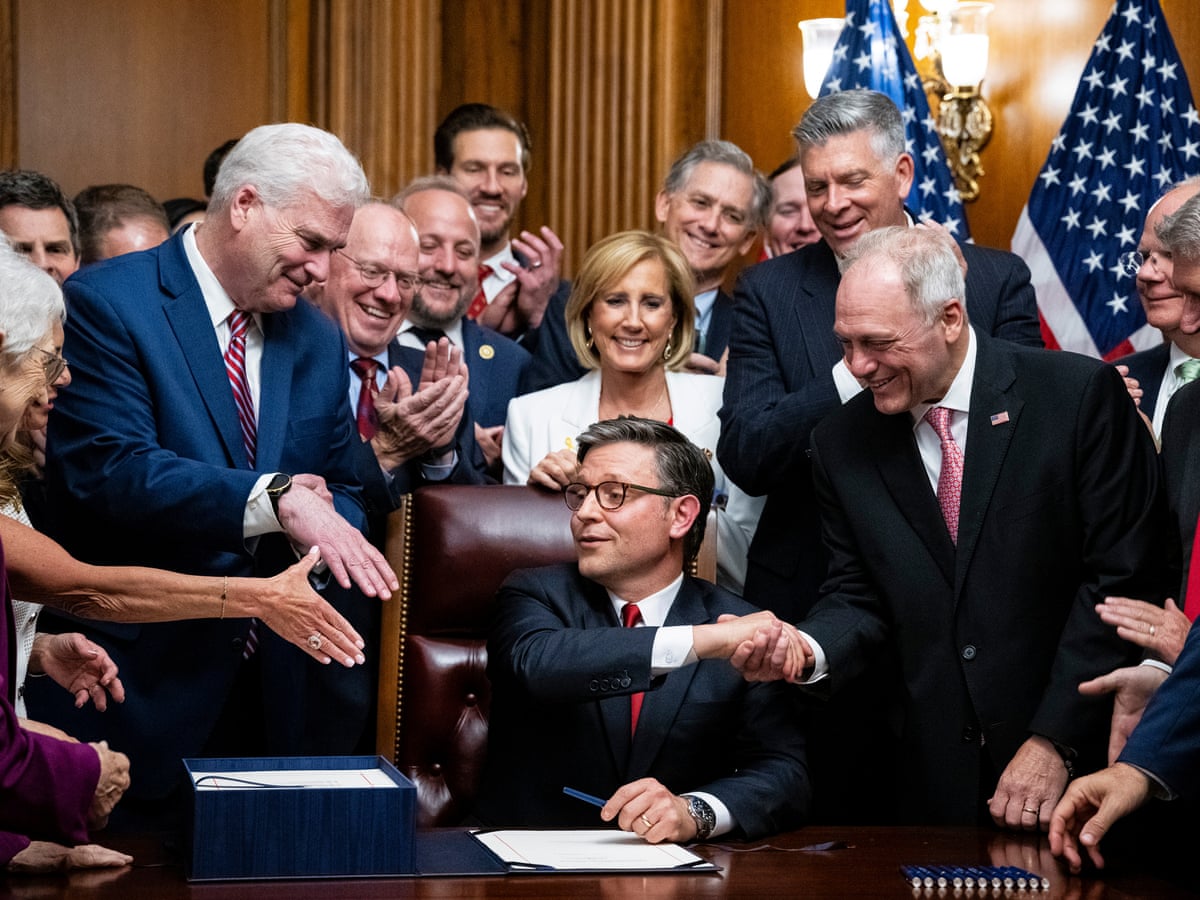
U.S. taxpayers could receive record-high refunds under a sweeping tax plan backed by Donald Trump, sparking renewed debate over who stands to gain most from the legislation.
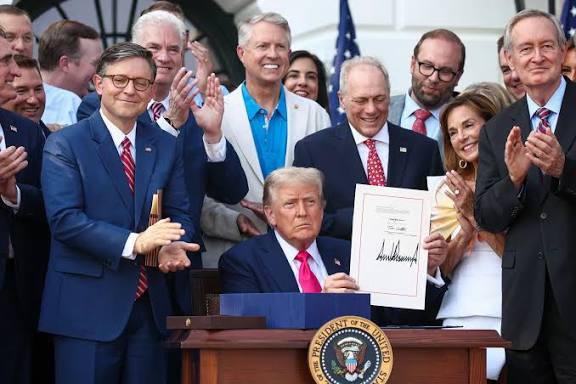
As the 2026 tax filing season unfolds, millions of Americans are experiencing significantly larger tax refunds than in previous years, a development attributed to the One Big Beautiful Bill Act (OBBBA)—a major tax and spending package signed into law by President Donald Trump in mid-2025. The legislation, often referred to as the “big beautiful bill” or Working Families Tax Cuts Act, includes retroactive changes for the 2025 tax year, leading to what Trump and supporters have hailed as potentially the largest refund season in U.S. history.
Early data from the IRS and statements from Treasury Secretary Scott Bessent indicate refunds are running notably higher. For instance, the average refund has been reported as up 22% in initial filings compared to the prior season, when it stood at around $3,052 through mid-October 2025. Projections from analysts, including those cited by the Tax Foundation, Piper Sandler, and others, suggest average refunds could increase by $300 to $1,000 or more, with some estimates pointing to totals pushing toward $3,800 or higher for many filers. Overall, additional refunds could reach tens to hundreds of billions of dollars collectively, driven by over-withholding in paychecks that didn’t adjust for the new provisions.
Key elements of the OBBBA contributing to these larger refunds include:
Making permanent many provisions from the 2017 Tax Cuts and Jobs Act (TCJA), such as doubled standard deductions, lower individual tax rates, and enhanced child tax credits (boosted to $2,200 per child in some cases, with inflation indexing).
New exemptions like no federal income tax on tips, overtime pay, and certain Social Security benefits.
Increases to deductions, including raising the state and local tax (SALT) deduction cap from $10,000 to $40,000 (a boon in high-tax states).
Other adjustments, such as expanded credits for adoption and potential auto loan interest deductions.
Because the IRS did not update withholding tables for 2025 to reflect these retroactive changes, many workers had more tax withheld from paychecks than ultimately owed, resulting in larger refunds when filing in 2026.
The White House and Republican leaders, including those on the House Ways and Means Committee, have celebrated the development as direct relief for working families, with estimates of $91 billion or more in additional refunds and payroll savings. President Trump has repeatedly described it as delivering “the biggest tax refund season ever,” framing the bill as a win for everyday Americans facing economic pressures.
However, the surge in refunds has reignited debate over the legislation’s true beneficiaries and long-term implications. While middle-income households (roughly $60,000 to $400,000) are projected to see some of the largest relative gains from broader deductions and credits, critics from organizations like the Center on Budget and Policy Priorities (CBPP), the Institute on Taxation and Economic Policy (ITEP), and the Tax Policy Center argue the overall structure disproportionately favors higher earners.
Analyses indicate that extending TCJA provisions and adding new cuts provide the top income groups with the bulk of benefits in dollar terms—potentially 60% or more to the top 20% of households. Some lower-income groups may see minimal net gains or even losses when factoring in offsets like cuts to programs such as Medicaid or SNAP included in the broader bill, alongside potential impacts from related policies like tariffs. Distributional studies suggest the wealthiest could receive substantial windfalls, while the bottom quintiles might face reduced after-tax income in combined effects.
Proponents counter that the tax relief stimulates economic growth, with dynamic effects partially offsetting revenue losses, and that features like no tax on tips and overtime directly aid service workers and hourly employees.
As filing continues through the April deadline, the record refunds provide immediate financial boosts for many, but the debate underscores deeper questions about equity, fiscal sustainability, and who truly reaps the rewards of the sweeping changes. Tax experts advise individuals to review their specific situations, as outcomes vary widely based on income, deductions claimed, and eligibility for new provisions.







Breaking: Petition for Trump’s Impeachment Surges Past 100,000 Signature topping 900,000 so far Raise your hand if you want Trump impeached immediately…

U.S. taxpayers could receive record-high refunds under a sweeping tax plan backed by Donald Trump, sparking renewed debate over who stands to gain most from the legislation…

News update : 9-Year-Old Cory Skipper Miller Delivers Powerful Speech at New York Town Hall, Challenging Trump’s Policies…

Breaking : . Trump’s a Monster. Why the Hell Is He Still Occupying the White House?

Just in : Trump with Howard Lutnick: “I don’t understand why the Jeffrey Epstein case would be of interest to anybody. It’s pretty boring stuff.”

71% of Americans believe the U.S. is out of control under Trump, according to survey. If you agree with me, say hi in the comment section…

Senator Chris Murphy: Republicans are not willing to do anything, so for now, Trump and his friends will get away with their crimes. But the rule of law is COMING BACK. When it does, everyone who has traded government favors for cash are going to JAIL. Do you agree with Chris Murphy?

JUST IN: President Donald Trump said he would accept the results of the 2026 U.S. midterm elections only if he believes they are honest

Thomas Massie: We should cancel Presidents’ Day until we have a ‘REAL’ president — one who builds this country up instead of DESTROY IT!!

JUST IN- They’ve identified the White House staffer that posted the racists meme on social media. Here is his picture. Hope they do the right thing and fire the staffer. 😡 😢 Raise your hand if you want Trump impeached immediately ✋

Do you believe Kamala Harris would be doing a far better job than Donald Trump if she were president right now ✋ Read more below 👇🏾👇🏾👇🏾
