
CELEBRITY
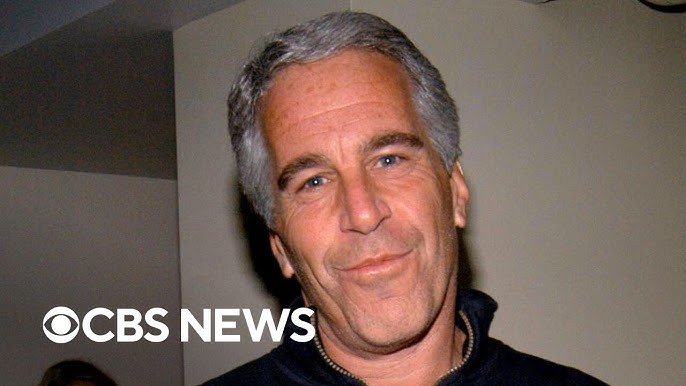
JUST IN: Epstein survivors have officially introduced “Virginia’s Law” to wipe out the statute of limitations for sex trafficking crimes entirely With Democratic backing, the bill aims to ensure no predator can ever “wait out” justice again…


Epstein Survivors Introduce “Virginia’s Law” to Eliminate Statute of Limitations for Sex Trafficking Crimes
In a significant push for accountability in cases of sexual abuse and trafficking, survivors of Jeffrey Epstein’s sex trafficking network, alongside Democratic lawmakers, have unveiled legislation known as “Virginia’s Law.

The bill seeks to completely remove the statute of limitations for federal civil claims related to sex trafficking and sexual exploitation, ensuring that perpetrators can no longer evade justice simply by outlasting time-based legal deadlines.
The announcement came during a press conference on Capitol Hill on February 10, 2026, where Senate Minority Leader Chuck Schumer (D-NY) and Representative Teresa Leger Fernández (D-NM) formally introduced the measure. They were joined by Epstein survivors, advocates, and members of the family of Virginia Giuffre—one of Epstein’s most prominent accusers—for whom the bill is named.
Virginia Giuffre, who publicly accused Epstein and his associate Ghislaine Maxwell of trafficking her as a teenager and who also made allegations against high-profile figures including Prince Andrew, died by suicide in April 2025 at the age of 41. Her family, including her brother Sky Roberts and sister-in-law Amanda Roberts, attended the event to honor her legacy and advocate for the bill’s passage.
Schumer emphasized the core principle behind the legislation: “Justice for victims of abuse should not have an expiration date.” He described Virginia’s Law as a means to eliminate barriers that have long prevented survivors from seeking redress, particularly in civil cases where current federal limits—such as a 10-year window for adult victims in certain claims—allow abusers to “run out the clock.”
The bill would:
Eliminate the statute of limitations for key federal civil claims brought by survivors of sex trafficking and sexual exploitation.
Provide survivors with more time to process trauma before pursuing legal action.
Clarify jurisdictional rules to prevent traffickers from evading accountability by moving victims across state or international lines (e.g., to private islands or remote locations).
Include provisions like a “look-back window” to potentially allow renewed claims in some instances.
This effort builds on prior reforms, such as the 2022 law signed by President Biden that removed time limits for federal civil claims in child sex abuse cases (including trafficking), though that change did not apply retroactively to pre-2022 incidents.
Survivors and advocates highlighted the psychological realities of trauma: many victims of sex trafficking require years—or even decades—to come forward due to fear, shame, manipulation, or ongoing threats. Attorney Sigrid McCawley, who has represented Giuffre and other Epstein victims, and organizations like World Without Exploitation supported the push, arguing that outdated statutes disproportionately protect predators.
The introduction of Virginia’s Law aligns with broader calls for transparency in the Epstein case, including demands for the release of additional files and greater scrutiny of how authorities handled investigations into Epstein’s network.
While the bill has strong Democratic backing, its path forward in a divided Congress remains uncertain. Supporters hope the high-profile nature of the Epstein scandal and the testimony of survivors will build bipartisan momentum, framing the measure as a matter of basic justice rather than partisanship.
For survivors and their families, the legislation represents a step toward ensuring that no predator can ever “wait out” accountability. As one family member stated at the press conference, “Grief without action is another kind of silence,” underscoring the determination to turn Virginia Giuffre’s voice—and her fight—into lasting legal change.





JUST IN: Epstein survivors have officially introduced “Virginia’s Law” to wipe out the statute of limitations for sex trafficking crimes entirely With Democratic backing, the bill aims to ensure no predator can ever “wait out” justice again…

BREAKING:- The largest general strike in 70 years is happening today in Minnesota. They are demanding ice out for good. Raise your hand if you agree with this✋

BREAKING: Democrats say they will move to impeach and remove Trump and Vance if they regain control after the 2026 midterms. CNN currently puts Democrats’ chances of winning at 82%. ✋ Who wants Trump impeached immediately?

Rep. Jamie Raskin Claims “Donald Trump’s Name Is All Over These Files” After Reviewing Unredacted Epstein Documents…

JUST IN : French President Macron says the Trump administration is “openly anti-European” and wants to destroy the EU…

Senator Chris Murphy: Republicans are not willing to do anything, so for now, Trump and his friends will get away with their crimes. But the rule of law is COMING BACK. When it does, everyone who has traded government favors for cash are going to JAIL. Do you agree with Chris Murphy?

JUST IN. Trump just issued a “Save America Act” ultimatum—explicitly warning “we won’t have a country” if elections aren’t overhauled immediately. He is demanding mandatory Voter ID, proof of citizenship, and a near-total ban on mail-in ballots to “fix” what he calls a rigged system.

BREAKING: Representative Ilhan Omar said that she will start reading Epstein’s client names publicly if Pam Bondi’s Department of Justice does not release them. 100% AGREE!! Just Read Those Name Out Loud!!

BREAKING: I hope that he does it. Former president Barack Obama is thinking about Suing Trump for $150 billion for Defamation.

“JUST IN: Trump can be Impeached by Congress and JAILED for International Law Breaches for Invading sovereign nation Venezuela. Raise your hand if you agree 🖐️”

“BREAKING: Democrats believe the Epstein File was doctored by the DOJ and Trump and want a forensic analysis Raise your hand if you believe Trump doctored it ✋
