
CELEBRITY
BREAKING: Democrats just threatened to BLOCK ALL FUNDING for DHS when it expires on February 13, unless there are “dramatic changes” and “real accountability” for ICE…

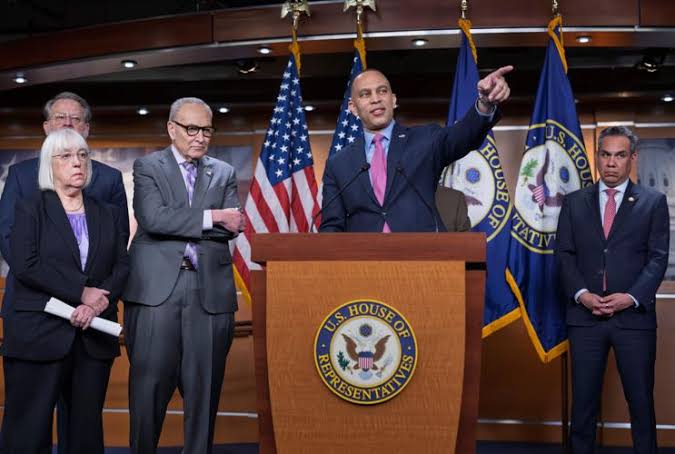
In a high-stakes standoff on Capitol Hill, Democratic leaders have issued a stark warning: they will not support long-term funding for the Department of Homeland Security (DHS) when its current stopgap extension expires on February 13, 2026, unless Republicans agree to significant reforms and greater accountability at U.S. Immigration and Customs Enforcement (ICE).
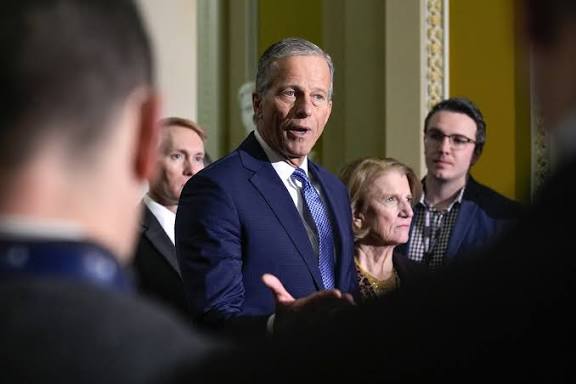
The threat, articulated by Senate Minority Leader Chuck Schumer (D-NY) and House Minority Leader Hakeem Jeffries (D-NY), comes amid escalating controversy over federal immigration enforcement operations under the Trump administration. Democrats are leveraging their votes—necessary for passing funding legislation in a divided Congress—to push for what they describe as “dramatic changes” to rein in ICE tactics.
Background of the Deadline
The current DHS funding stems from a recent spending package signed by President Donald Trump, which resolved a brief partial government shutdown earlier in February 2026. That measure funded most federal agencies through September but provided only a two-week continuing resolution (CR) for DHS, pushing the deadline to February 13. The short extension was intended to allow negotiations on immigration enforcement policies, particularly following high-profile incidents.
The push intensified after fatal shootings of two American citizens, Renee Good and Alex Pretti, by federal agents during protests in Minneapolis in January 2026. Democrats have cited these events as evidence of excessive force and lack of oversight, arguing that reforms are essential to prevent further loss of life and protect civil liberties.
Democrats’ Key Demands
In a formal letter to Republican leadership—including Senate Majority Leader John Thune and Speaker Mike Johnson—Democratic leaders outlined a list of 10 proposed reforms, often referred to as “guardrails” for ICE and Customs and Border Protection (CBP). These include:
Requiring agents to wear body cameras during operations.
Prohibiting agents from wearing face masks to conceal identities.
Mandating clear identification (names and badges) for agents.
Requiring judicial warrants (signed by a judge) for many enforcement actions, rather than administrative warrants.
Barring agents from entering sensitive locations such as schools, houses of worship, or polling places without specific justification.
Implementing stronger protections against racial profiling in detentions.
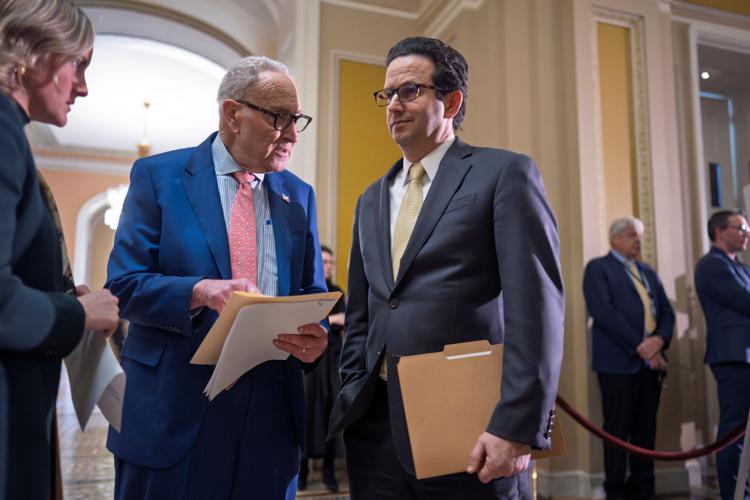
Schumer emphasized the need to “rein in ICE in very serious ways and end the violence,” while Jeffries described the demands as a “line in the sand,” noting that Republicans would need Democratic votes to pass any funding measure.
Democrats argue these changes would impose “common-sense accountability” and address public concerns over aggressive enforcement tactics during the administration’s mass deportation efforts.
Republican Response and Counterarguments
Republicans have swiftly rejected many of the proposals, labeling them “ridiculous” and a “Christmas list” of demands that would hinder ICE’s ability to carry out deportations and secure borders. Some GOP lawmakers, including Sen. Josh Hawley (R-MO), have warned that such restrictions could expose agents to doxxing or prevent effective operations.
Critics on the right point out a key nuance: a lapse in DHS appropriations would primarily affect agencies like the Transportation Security Administration (TSA), Federal Emergency Management Agency (FEMA), Secret Service, and Coast Guard—while ICE operations might continue drawing from prior allocations or special funds. Republicans have accused Democrats of holding essential services “hostage” to score political points on immigration.
Senate Majority Leader Thune has expressed skepticism about reaching a deal quickly, warning of potential disruptions like airport delays if TSA funding lapses. Some reports indicate Republicans are preparing contingency plans, including a longer-term stopgap.
Broader Implications
The impasse highlights deep partisan divides over immigration policy in the current Congress. Democrats frame their stance as a moral imperative for oversight and humane enforcement, while Republicans view it as an attempt to undermine President Trump’s border security agenda.
With only days until the February 13 deadline, negotiations remain tense and progress elusive. Failure to reach an agreement could trigger a partial DHS shutdown, disrupting non-immigration functions while the broader debate over ICE’s role continues.
As both sides dig in, the outcome will test whether compromise is possible—or if political brinkmanship will once again dominate Washington.

Zohran Mamdani has signed a new executive order that requires ICE to obtain a judicial warrant before entering New York City property…

For years, Green Day has been singing “I’m not part of the MAGA agenda” instead of “redneck agenda” during “American Idiot” at huge events. They’ve done it at Coachella, New Year’s Eve, everywhere. Now they’re set to perform at the Super Bowl. MAGA is about to lose it…

JUST IN : US Senator has officially called for Trump’s removal from office under 25th Amendment of The Constitution of the United States…

BREAKING: Democrats just threatened to BLOCK ALL FUNDING for DHS when it expires on February 13, unless there are “dramatic changes” and “real accountability” for ICE…

Breaking : Senator Mark Kelly Allegedly Calls for President Trump’s Resignation or Faces ‘Hardest Way’ Through Impeachment…

JUST IN : Bill Clinton taking Trump down with him by sharing EVERYTHING in congressional hearings is an epic power move. Raise your hand if you agree.

Rep. Lieu demands Deputy AG Todd Blanche be fired: “Yesterday, he said essentially that it is not a crime to party with Jeffrey Epstein. If Jeffrey Epstein was human trafficking minors for these sex parties, and you show up and patronize the establishment at that party, yes, you’re guilty.”…

JUST IN🚨: Former President Joe Biden urges “all of America” to stand up and speak out against President Trump Raise your hand if you want Trump impeached immediately ✋

JUST IN : Kamala Harris knew what Trump was, she warned everyone, and y’all accused her of overreacting. Raise your hand if you agree Kamala Harris would have been 1000X better than Trump ✋

Breaking : Trump is scared that Democrats are going to impeach him when they reclaim Congress. He’s right. We’re also going to impeach Vance. Raise your hand if you agree ✋

JUST IN: 🇺🇸 President Trump says he will sue Grammy host Trevor Noah for claiming he visited Epstein Island. President Trump: “I have never been to Epstein Island… I will be sending my lawyers to sue this poor, pathetic, talentless dope…
