
NEWS
JUST IN : Federal Judge Issues Preliminary Injunction: ICE Barred from Using Pepper Spray, Arrests, or Retaliation Against Peaceful Protesters in Minneapolis…

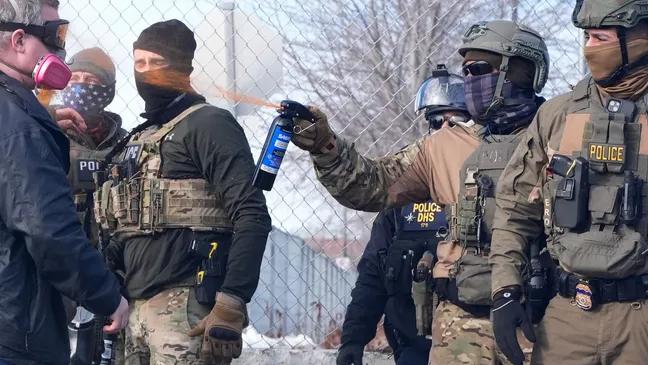
In a significant development amid escalating tensions over immigration enforcement, U.S. District Judge Katherine Menendez issued a preliminary injunction on Friday, January 16, 2026, restricting federal agents from employing aggressive tactics against individuals engaged in peaceful demonstrations in Minnesota.
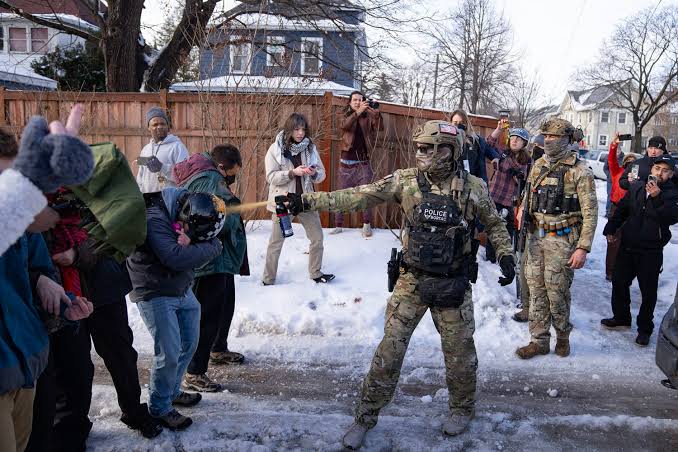
The 83-page ruling, stemming from a lawsuit filed by the American Civil Liberties Union (ACLU) of Minnesota in December 2025 on behalf of six community members, prohibits agents involved in Operation Metro Surge — the Trump administration’s large-scale immigration enforcement operation in the Minneapolis area — from:
Arresting, detaining, or retaliating against persons “engaging in peaceful and unobstructive protest activity,” including those observing or monitoring ICE operations.
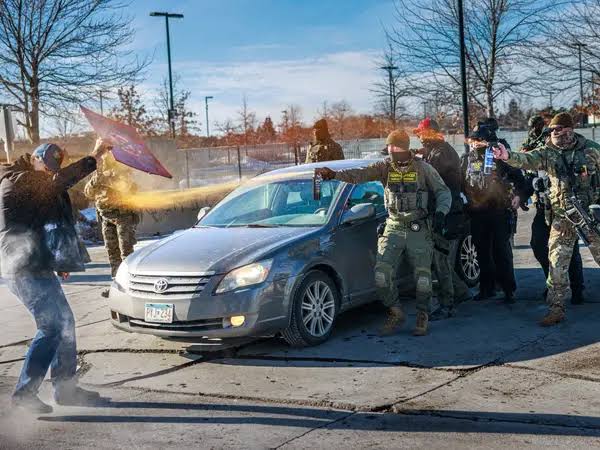
Using pepper spray, tear gas, or similar nonlethal munitions and crowd dispersal tools against such individuals.
Stopping or detaining drivers and passengers in vehicles unless there is reasonable articulable suspicion that they are forcibly obstructing or interfering with federal agents (even if following at a safe distance).
The order applies specifically to federal officers deployed as part of Operation Metro Surge, which has involved thousands of ICE and other DHS personnel in what officials describe as one of the largest immigration crackdowns in U.S. history.
Background: Rising Tensions and a Fatal Shooting
The injunction comes against the backdrop of heightened protests that intensified after the January 7, 2026, fatal shooting of Renee Nicole Good, a 37-year-old Minneapolis resident and mother of three. Good was participating in a neighborhood patrol organized by local activists to track and observe ICE activities when an ICE agent shot her through her car window. DHS officials have described the incident as self-defense, claiming Good was impeding agents and labeling her actions as “domestic terrorism.” A second shooting incident involving federal agents occurred days later, wounding another individual and further fueling outrage.
Protesters and witnesses have reported repeated instances of federal agents using pepper spray, pointing weapons, making arbitrary detentions, and engaging in intimidation tactics. The lawsuit alleged these actions violated First Amendment rights to free speech, assembly, and press (including observation), creating a “chilling effect” on protected activity.
Judge Menendez, a Biden appointee, found that plaintiffs demonstrated an “ongoing persistent pattern” of such conduct, citing dozens of declarations from affected individuals. She emphasized that the government failed to adequately justify the necessity of force against peaceful observers.
Reactions and Broader Context
Civil rights advocates hailed the decision as a victory for constitutional protections. The ACLU of Minnesota expressed hope that the injunction would prevent further violations, while Minnesota Attorney General Keith Ellison described it as an important win for peaceful protest rights.
In response, a Department of Homeland Security spokesperson stated that the agency is “taking appropriate and constitutional measures to uphold the rule of law and protect our officers and the public from dangerous rioters,” asserting that force has been used only when necessary for self-defense and public safety. DHS has accused some protesters of assaulting officers, slashing tires, and launching fireworks.
The ruling follows similar court interventions in other cities like Los Angeles and Chicago, where judges have restricted tactics against protesters and journalists on First Amendment grounds.
Local leaders, including Minnesota Governor Tim Walz and Minneapolis Mayor Jacob Frey, have repeatedly called for federal agents to leave the state, with Walz criticizing what he called “weaponizing the justice system.” Meanwhile, reports indicate the Justice Department is investigating state and local officials for allegedly impeding federal operations.
The injunction is preliminary and temporary while the full lawsuit proceeds, but it grants protesters and observers immediate protections as demonstrations continue in subfreezing temperatures. Minnesota officials have urged peaceful conduct ahead of planned weekend rallies, with the state’s National Guard on alert.
This court order underscores the ongoing clash between federal immigration enforcement priorities and local rights to dissent, set against a politically charged national debate over mass deportations and protest responses. For now, it limits escalation by requiring agents to distinguish between peaceful expression and actual interference.
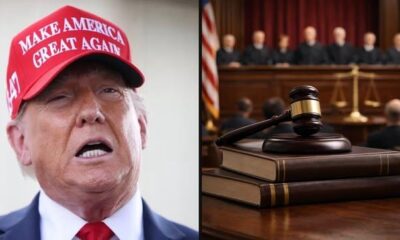

JUST IN : Federal Judge Issues Preliminary Injunction: ICE Barred from Using Pepper Spray, Arrests, or Retaliation Against Peaceful Protesters in Minneapolis…

JUST IN: Taylor Swift Claims U.S. Democratic Institutions Have “Indulged Trump’s Anti-Democratic Behavior,” Stating the Congress and Supreme have Totally Betrayed American Citizens by not Impeaching the Facist…

BREAKING: Masked ICE agents stop a driver, demand ID, and refuse to explain why. The driver stays calm and asks for the reason. No answer. An agent then tries to open the car door aggressively. Under the Fourth Amendment, a stop is a seizure and requires reasonable suspicion. It appears he was stopped simply for being brown, despite being a U.S. citizen…

Breaking News: Nurse Struggles to Commute Amid ICE Harassment, Sparking Calls for Midterm Action and Impeachment…

JUST IN: 🇸🇪 Sweden PM Ulf Kristersson says: “We will not let ourselves be blackmailed. Only Denmark and Greenland decide on issues concerning Denmark and Greenland. I will always stand up for my country, and for our allied neighbors…

10 MINUTES AGO: Former Trump lawyer Jenna Ell!s has pleaded guilty in the Georgia election interference case, admitting her role in efforts to overturn the 2020 results. As part of her deal, 3llis has agreed to testify against Donald Trump if called…

BREAKING: U.S. Rep. Shri Thanedar (D-MI) calls to impeach Homeland Security Secretary Kristi Noem, says he will introduce a bill to abolish ICE..

JUST IN: Donald Trump Declares Plan to Sue Michigan Ford Plant Employee for Defamation Claims for shouting “Pedophile Protector” During Factory Tour, After the Worker Receives Suspension From Company Officials…

BREAKING: The U.S. Congress Officially Launches Impeachment Proceedings Against President Donald Trump, Drafting Detailed Articles Alleging Embezzlement, Fraud, War Crimes, Obstruction of Justice, Abuse of Power, and Mismanagement of Taxpayer Funds by Him and Members of His Cabinet…

BREAKING: Minnesota AG Keith Ellison announces lawsuit against DHS, ICE and Border Patrol. “We allege that the obvious targeting of Minnesota for our diversity, for our democracy and our differences of opinion with the federal government is a violation of the Constitution and of federal law.”..

BREAKING: Masked ICE agents attempted to detain Jose in Downey, California, a gardener who has lived in the U.S. for 40 years, holds a green card, and has no criminal history.Jose stood up for his coworker. The entire neighborhood showed up, recorded everything, and stood united.ICE was forced to let them go. No senior should ever go through this. 😢
